06
How Binnash turns a range into a quotation
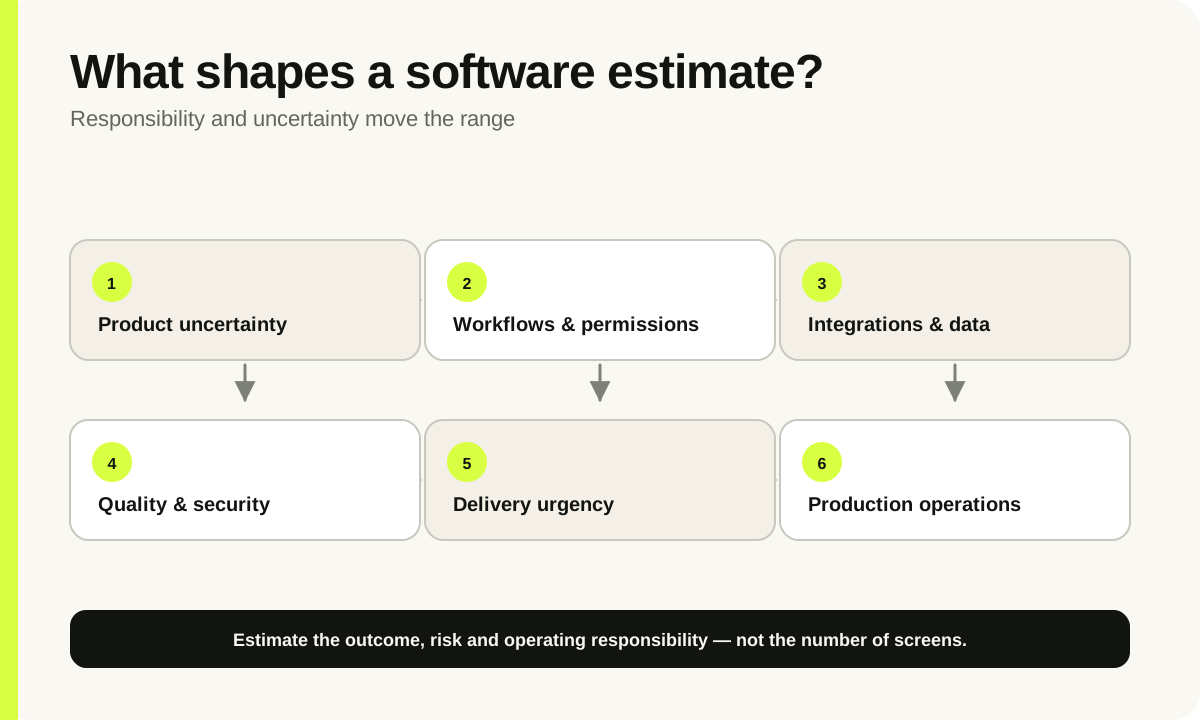
The estimation process is designed to expose uncertainty before it becomes a delivery dispute. It begins with context, not a generic feature-price menu.
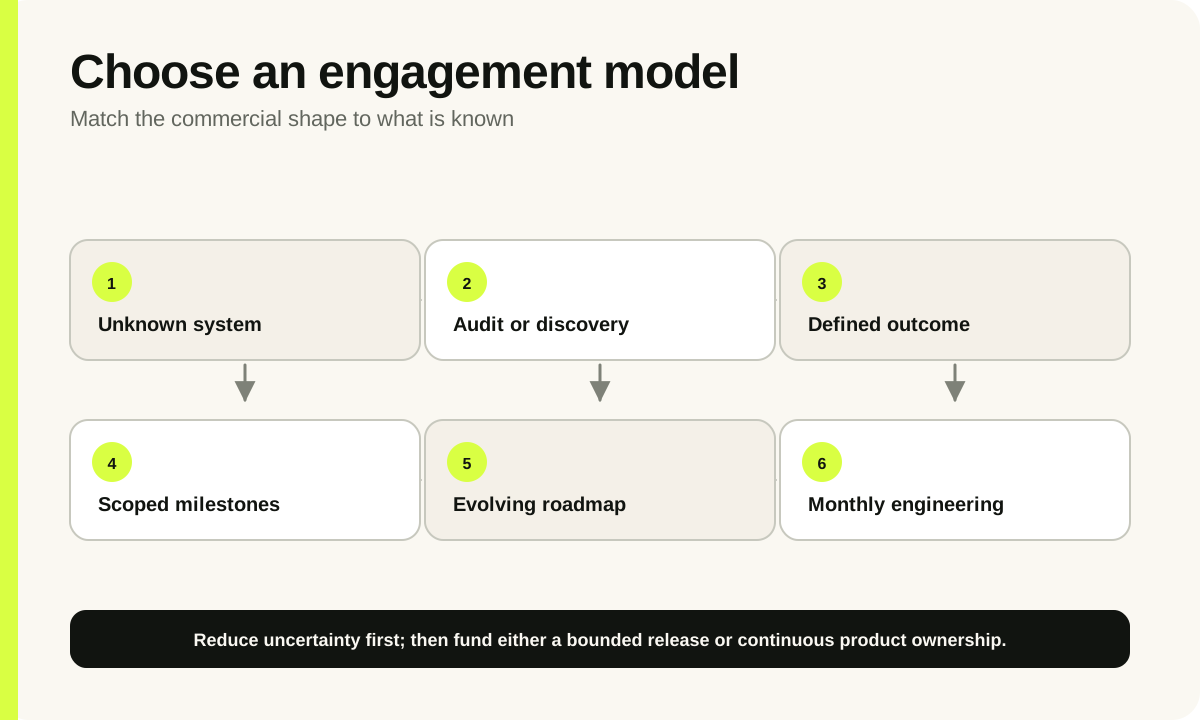
First, the project brief establishes the product stage, target users, business outcome, deadline, existing systems, known integrations, and approved budget. Binnash then decides whether enough is known for a proposal or whether a focused discovery or audit is required.
Next, the work is divided into outcomes and responsibilities. The estimate names what Binnash will deliver, what the client must supply, what is excluded, how scope decisions are made, and how acceptance works. Milestones are tied to reviewable results rather than internal activity.
Finally, the proposal states the delivery sequence, timeline, payment schedule, launch responsibility, third-party costs, and post-launch support. If assumptions change, the team evaluates the effect on scope, timeline, and cost before continuing. This protects both the buyer and the delivery team from invisible commitments.